Deposit Limit Synchronization With Live Market Fluctuations in Varied Betting Sectors
Iris Krüger · Nov 17, 2026
Deposit Limit Synchronization With Live Market Fluctuations in Varied Betting Sectors
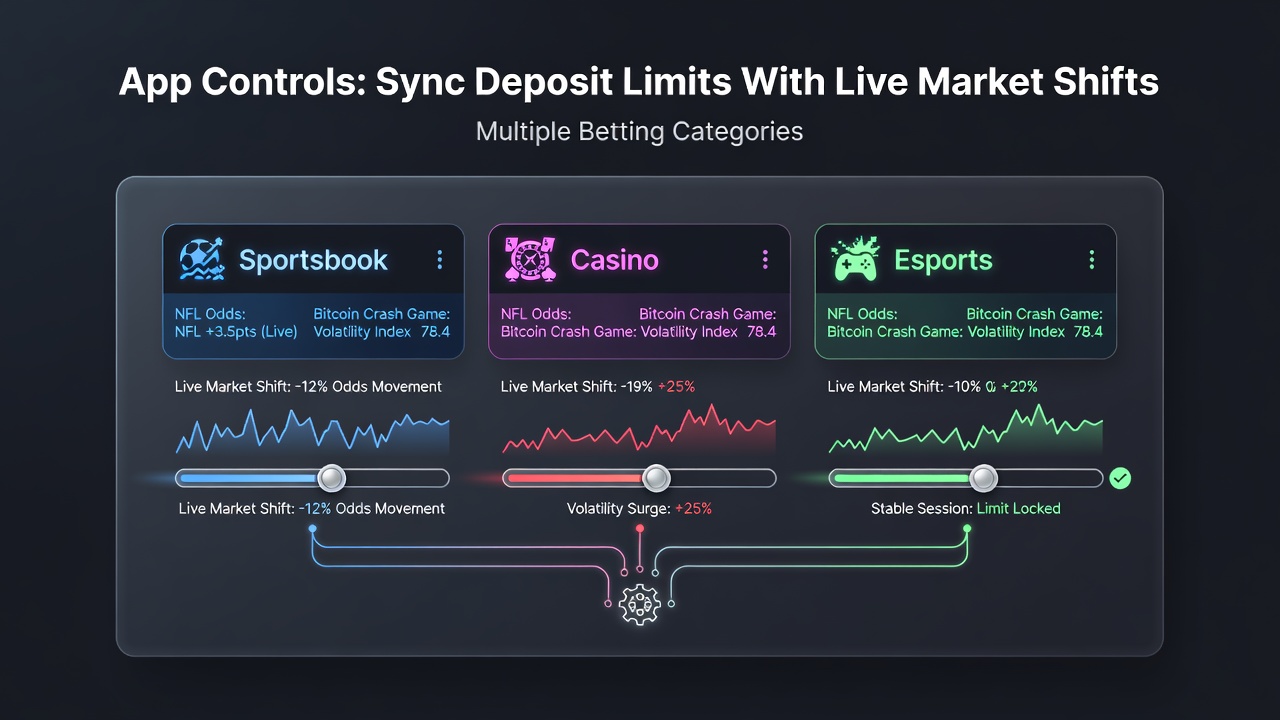
Betting applications now incorporate controls that link deposit limits directly to live market shifts across football, horse racing, e-sports, and casino offerings, and these systems pull real-time data feeds to adjust user parameters automatically. Operators deploy algorithms that monitor odds movements and volatility indicators, then scale deposit allowances accordingly while users remain in multiple categories at once. Data from industry reports shows that such synchronization reduces instances of rapid limit breaches during high-fluctuation periods, and developers integrate these features through application programming interfaces that connect market analytics engines with user account settings.
Core Mechanisms Behind Automated Adjustments
Systems operate by collecting live inputs from betting exchanges and internal pricing models, then applying rule sets that raise or lower deposit thresholds based on category-specific triggers. For instance, a sharp swing in football accumulator odds might prompt a temporary cap increase for verified accounts, whereas e-sports match volatility could trigger a reduction to maintain session stability. Observers note that these controls often combine with session timers and category toggles, allowing seamless transitions between horse racing markets and live dealer tables without manual resets. Research from the International Center for Gaming Regulation indicates that synchronized tools appear in roughly 28 percent of major mobile platforms as of late 2025, with adoption rates climbing through 2026.
Implementation Across Multiple Categories
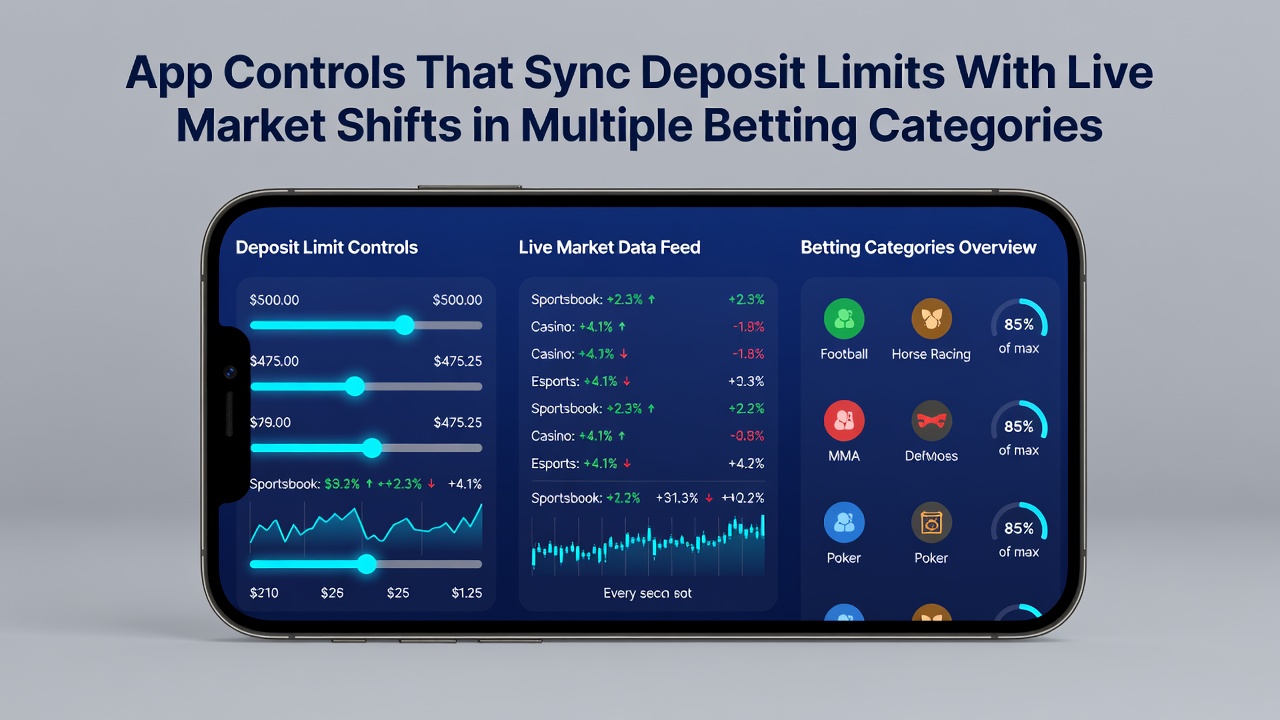
Football sections use momentum-based scaling where rapid goal-line movements feed into deposit algorithms, and horse racing platforms apply pace-adjusted limits tied to race start volatility. E-sports arenas integrate burst detection for tournament surges, while casino verticals link slot and table fluctuations to the same central ledger. Users encounter unified dashboards that display current limits per category alongside projected market impacts, and developers test these integrations through phased rollouts that began gaining traction in November 2026. Case examples from platform updates reveal that cross-category syncing prevents isolated spikes in one area from affecting overall account health, since the shared engine recalibrates every few seconds during active sessions.
Technical Integration and Data Sources
Backend architecture relies on cloud-based market data streams that update deposit matrices in real time, and front-end interfaces present these changes through visual sliders and confirmation prompts. Security layers encrypt the adjustment logs, while compliance modules log each shift for audit trails. A report issued by the Australian Gambling Research Centre highlights similar synchronization patterns in regulated environments outside the UK, noting improved user retention metrics when limits adapt fluidly to market conditions. Platforms further embed predictive elements that forecast category-specific movements using historical volatility curves, enabling preemptive limit tweaks before events peak.
User Experience and Regulatory Alignment
Players receive notifications when limits recalibrate, and they can override automated suggestions through verified identity checks in most implementations. Those who have studied these tools find that the approach maintains engagement across categories by avoiding abrupt halts during live sequences. European Gaming and Amusement Association guidelines encourage transparent disclosure of the synchronization logic, and several operators now publish category-specific adjustment histories within account summaries. Data indicates that November 2026 saw expanded testing of these features in multi-jurisdictional apps, where market shifts in one region influenced deposit parameters visible to users in others through shared data protocols.
Future Developments in Sync Technology
Engineers continue refining the models with machine learning layers that incorporate broader economic indicators alongside pure market data, and early trials show tighter alignment between deposit behavior and live conditions across all listed categories. Partnerships between software providers and data analytics firms accelerate these upgrades, producing dashboards that forecast limit trajectories hours ahead. Observers note steady integration of these controls into existing responsible gaming modules, creating layered protections that operate without interrupting core betting flows.
Conclusion
App controls that sync deposit limits with live market shifts represent a growing technical layer in multi-category betting environments, supported by real-time data connections and cross-platform testing. Figures reveal continued expansion into 2027 as operators refine the balance between adaptability and account safeguards. External resources such as those from the International Center for Gaming Regulation and the Australian Gambling Research Centre document parallel advancements that inform ongoing implementations worldwide.